News

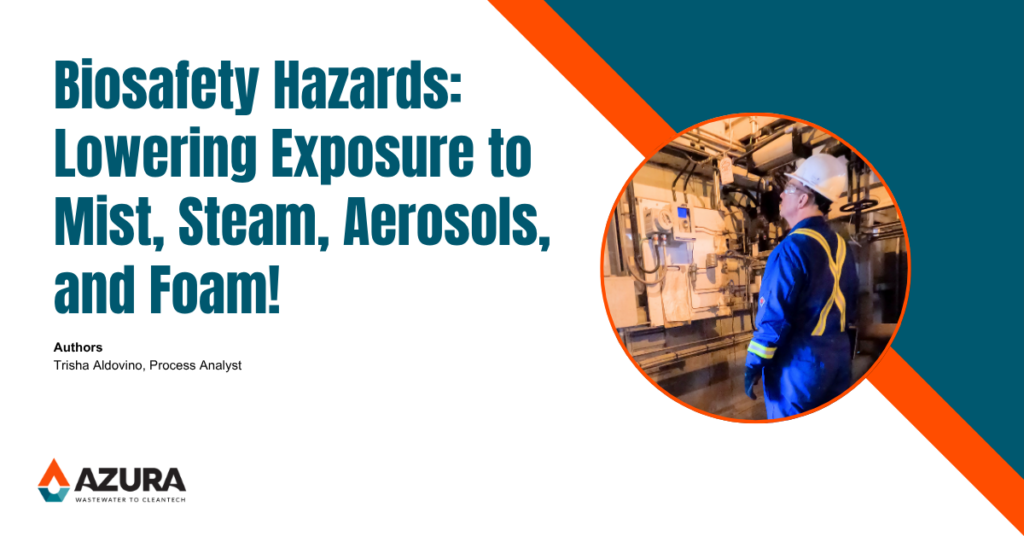
Biosafety Hazards: Lowering Exposure to Mist, Steam, Aerosols, and Foam!

Should you be wearing a hazmat suit to enter a digester facility? Mostly likely, the answer is no. While organic waste and wastewater personnel may have more exposure to pathogens, proper safety training, operating procedures, and PPE greatly lower your risk of falling ill.
This article looks at biosafety at digester sites and shares strategies for keeping operators safe from mist, steam, aerosols and foam.

Biosafety Hazards: Lowering Exposure to Mist, Steam, Aerosols, and Foam! Read More »

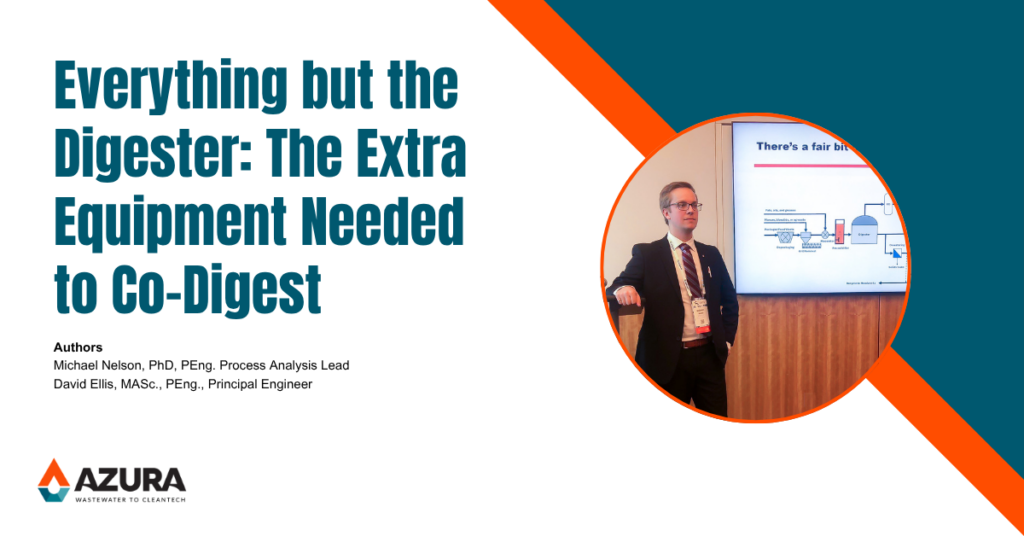
Everything but the digester: The Extra Equipment Needed to Co-digest

As the need to divert organic waste from landfills grows, co-digestion is gaining traction. Municipalities can use the additional capacity in existing wastewater assets as a cost-effective strategy to preserve landfill capacity and mitigates greenhouse gas emissions. However, co-digestion is more complicated than simply feeding new material to digesters.

Everything but the digester: The Extra Equipment Needed to Co-digest Read More »

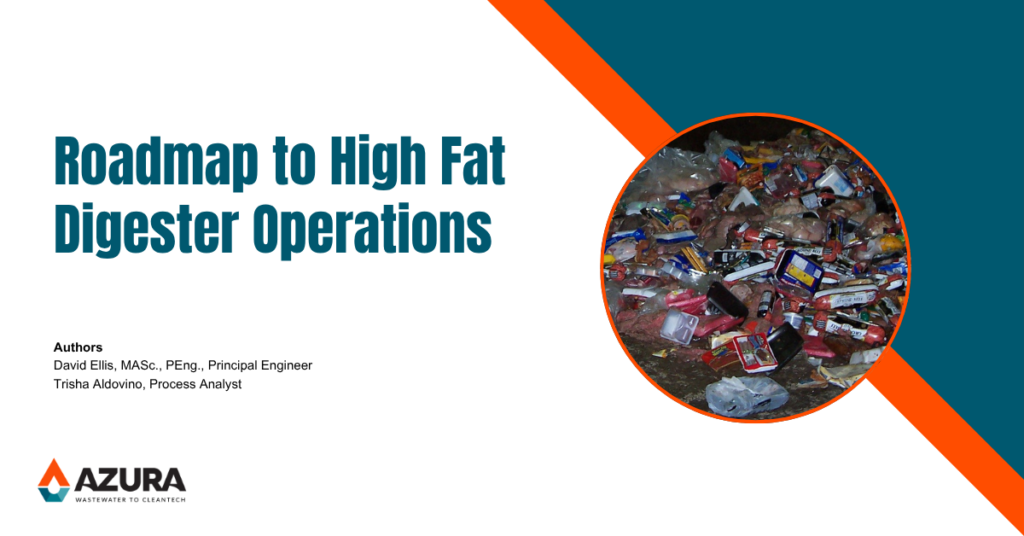
Roadmap to High Fat Digester Operations

High fat feedstocks can help produce more biogas, but is your digester ready for this type of performance? High fat digestion operation is simple, but it isn’t easy. Read this article to learn if your digester is ready to accept more high fat feedstocks.

Roadmap to High Fat Digester Operations Read More »

Blue background with the Value of Biogas East logo. Text reads "Event Recap Value of Biogas East March 30 - April 1, 2026. Toronto, ON.

Event Recap – Value of Biogas East 2026

Azura’s Team Plaid had a fantastic time at the Value of Biogas East Conference hosted by the Canadian Biogas Association (CBA). Bringing together renewable energy professionals from Canada, the United States, and around the world the event took place in Toronto, Ontario on March 30 through April 1, 2026.

Event Recap – Value of Biogas East 2026 Read More »

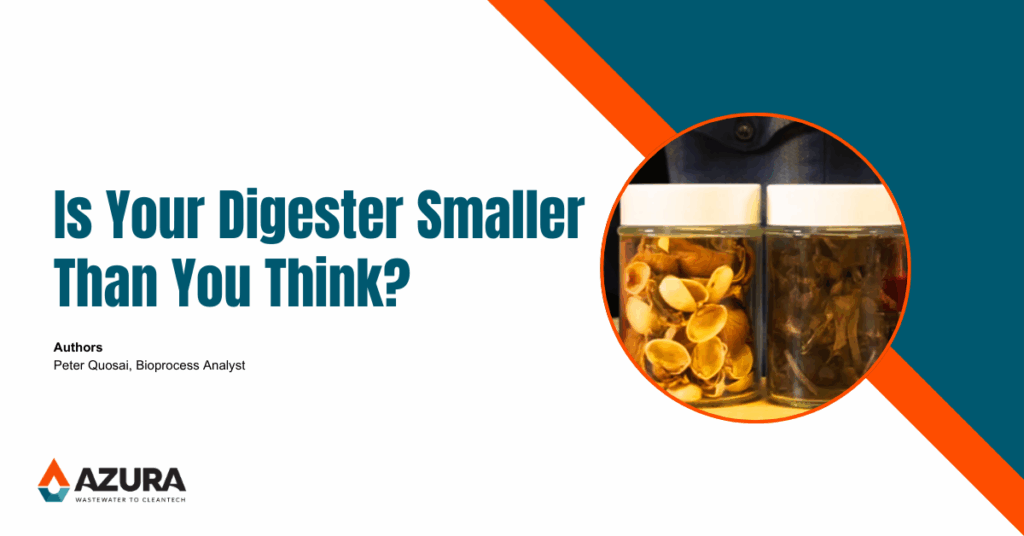
Is Your Digester Smaller Than You Think?

The most expensive part of an anaerobic digester are often the corrosion resistant tanks. Since digester volume is one of the most valuable assets of a plant because that determines how much you can feed – preserving and measuring digester volume might just be one of the most valuable methods for digester optimization.

Is Your Digester Smaller Than You Think? Read More »

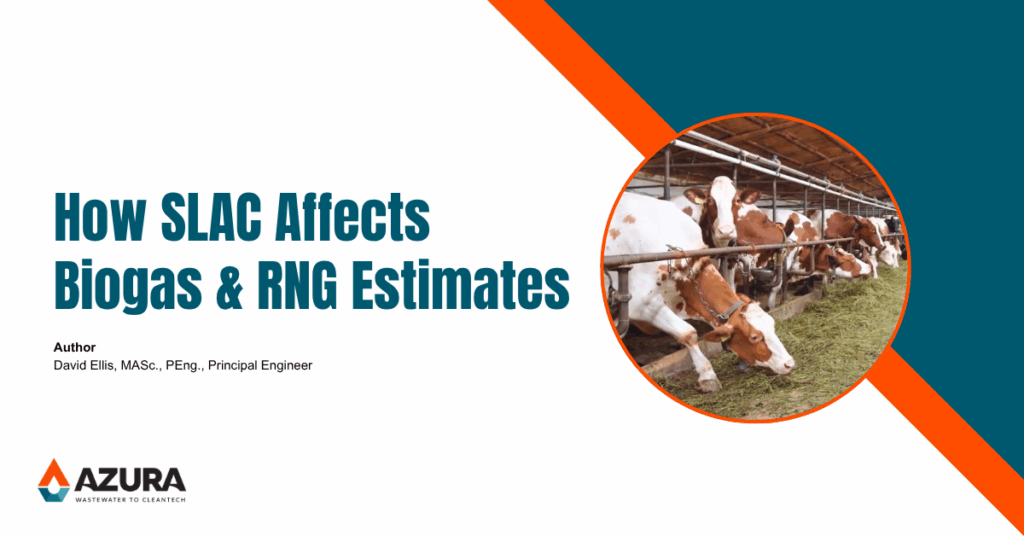
How SLAC Affects Biogas & RNG Estimates

Is your biodigester making less RNG than estimated during the feasibility assessment? One common cause is a phenomenon that Azura calls SLAC – Solids Loss on Aging and Collection.

How SLAC Affects Biogas & RNG Estimates Read More »

Is AI Reshaping the Future of Biogas and RNG Operations?

In the biogas and RNG industry, it’s becoming more clear that AI is neither hype nor magic—it’s a tool. And like any tool, its value depends on how well it’s understood, integrated, and used.

Is AI Reshaping the Future of Biogas and RNG Operations? Read More »

Effective Grit Management in Anaerobic Digester Systems Starts with Testing

Grit is the silent saboteur of anaerobic digestion systems. Though it often makes up less than half of 1% of a feedstock by weight, grit can cause outsized problems.

Effective Grit Management in Anaerobic Digester Systems Starts with Testing Read More »

How to avoid Hydrogen Sulfide spikes from high protein feedstocks

Sudden hydrogen sulfide (H2S) spikes in your digester? In your feed tanks? One common culprit is feeding a large load of high protein feedstock too quickly.

How to avoid Hydrogen Sulfide spikes from high protein feedstocks Read More »

For URGENT matters outside office hours, please use our Contact form.

Scroll to Top